Highlights from the Asian Society for Vascular Surgery 2025
Looking back at ASVS 2025 in Singapore, Dr Andrew Choong reflects on open aortic surgery, artificial intelligence and shared learning—and what these discussions mean for informed, individualised vascular care.
The Asian Society for Vascular Surgery (ASVS) 2025 congress brought vascular specialists together in Singapore from 28 to 31 August 2025 at the Grand Copthorne Waterfront. Looking back at the meeting, two themes stand out for me: the continuing importance of open aortic surgery and the careful evaluation of artificial intelligence in vascular care.
I had the privilege of contributing as a member of the local organising committee and presenting two talks: Retroperitoneal Approach to the Aorta: Back to the Future and AI in Vascular Surgery: Rise of the Machine. They explored different aspects of the same responsibility: choosing care that is appropriate for the person in front of us.
As a vascular and endovascular surgeon in Singapore, I value meetings that connect surgical experience, research and practical discussion. This retrospective shares the ideas behind those talks and explains their relevance for patients.
Why does open aortic surgery still matter?
The aorta is the body’s main artery. An aortic aneurysm is an abnormal enlargement of part of that artery. Depending on its size, growth, location and symptoms, an aneurysm may need surveillance or repair. My guide to aortic disease and aneurysm treatment explains the conditions and the main treatment options.
Endovascular aneurysm repair, or EVAR, uses a stent graft placed through the blood vessels to treat a suitable aneurysm from within. It has changed aortic practice, but open surgery remains important when anatomy, previous treatment or other clinical factors make it the more appropriate option.
What is the retroperitoneal approach to the aorta?
The retroperitoneal approach reaches the aorta through the space behind the lining of the abdominal cavity. It is an established route for selected open aortic operations. My talk revisited why this technique remains relevant alongside modern endovascular treatment.
The route of access matters because the surgeon needs a clear view of the diseased artery and its important branches. Previous abdominal operations, the extent of aortic disease and the planned repair can all influence the choice. A retroperitoneal operation is still major surgery, with risks that need individual discussion.
Is open surgery better than EVAR?
Neither is the best option for everyone. The decision depends on the aneurysm’s anatomy, overall health, procedural risks, durability and follow-up requirements. Some patients do not need an operation at all and are better served by monitoring and medical care.
For a patient-friendly explanation of the stent-graft approach, read how EVAR treats an aortic aneurysm. The useful question is which approach offers a suitable balance of benefits and risks for you.
What could artificial intelligence contribute to vascular surgery?
My second talk considered how artificial intelligence, or AI, might support vascular practice. Research includes analysing medical images, identifying patterns in clinical data and estimating risks. These applications raise useful questions about how clinicians interpret information and plan care.
Why does validation matter?
A model that performs well in a research dataset may not work equally well in a different hospital or patient population. Before relying on a tool, clinicians need evidence about its accuracy, limitations and usefulness in practice. Data quality, privacy and ongoing oversight matter as much as an impressive demonstration.
Will AI replace a vascular surgeon?
AI tools should support clinical judgement, with human oversight. They cannot by themselves provide the full conversation about symptoms, examination findings, scan results, personal priorities and treatment choices. A prediction also needs to be explained in a way that helps a patient make an informed decision.
For patients, the practical question is whether a particular tool has been shown to help in their situation. Discussing emerging technology at a conference does not mean that every application is established or routinely used in the clinic.
Friends, colleagues and shared learning
One of the pleasures of ASVS 2025 was reconnecting with friends and colleagues from across the world. Sharing experience gives us opportunities to question assumptions, discuss difficult decisions and learn from approaches used in different settings.
The photographs below capture some of those connections. They are a reminder that professional education also happens through conversation and collaboration.
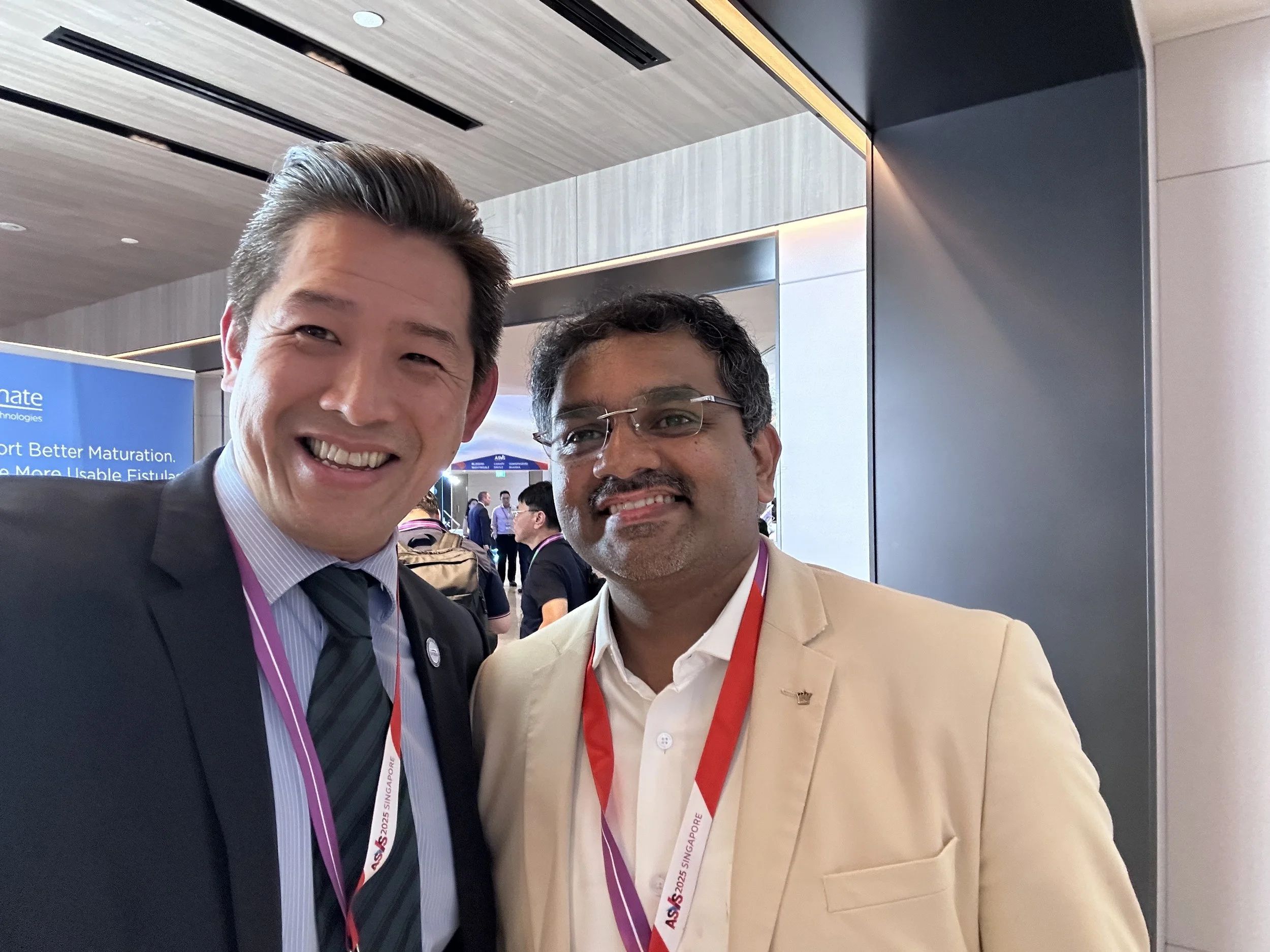
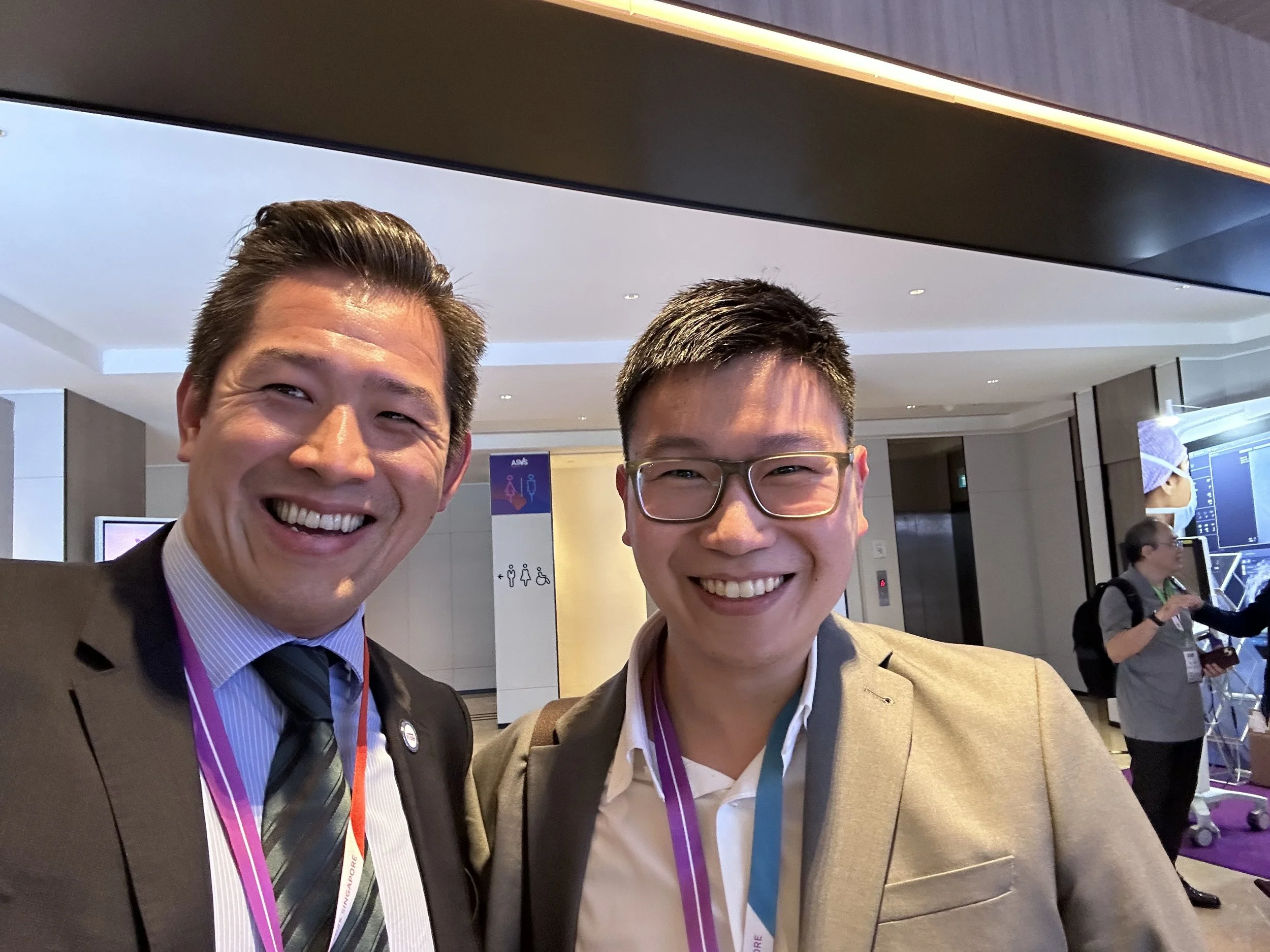
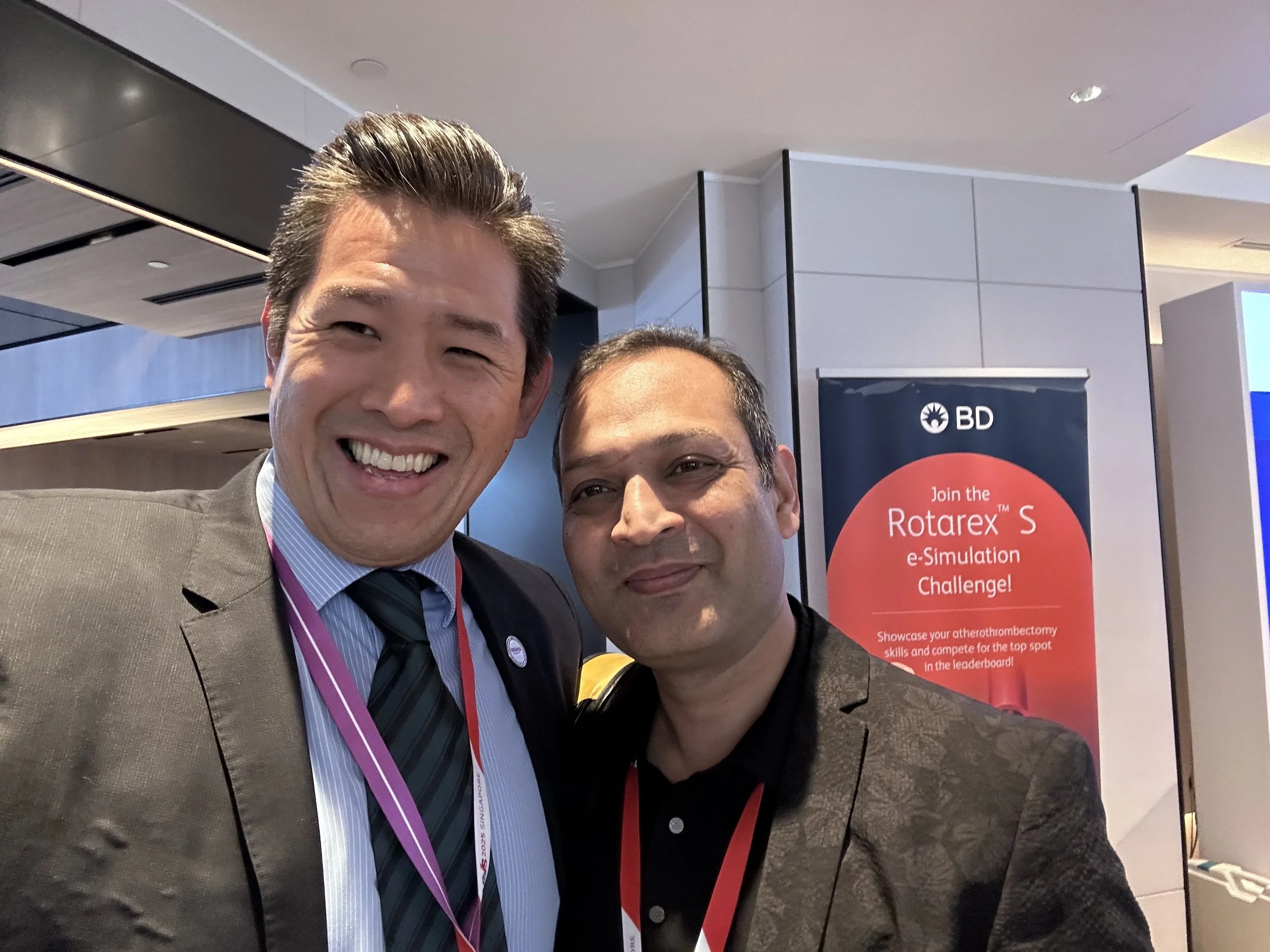
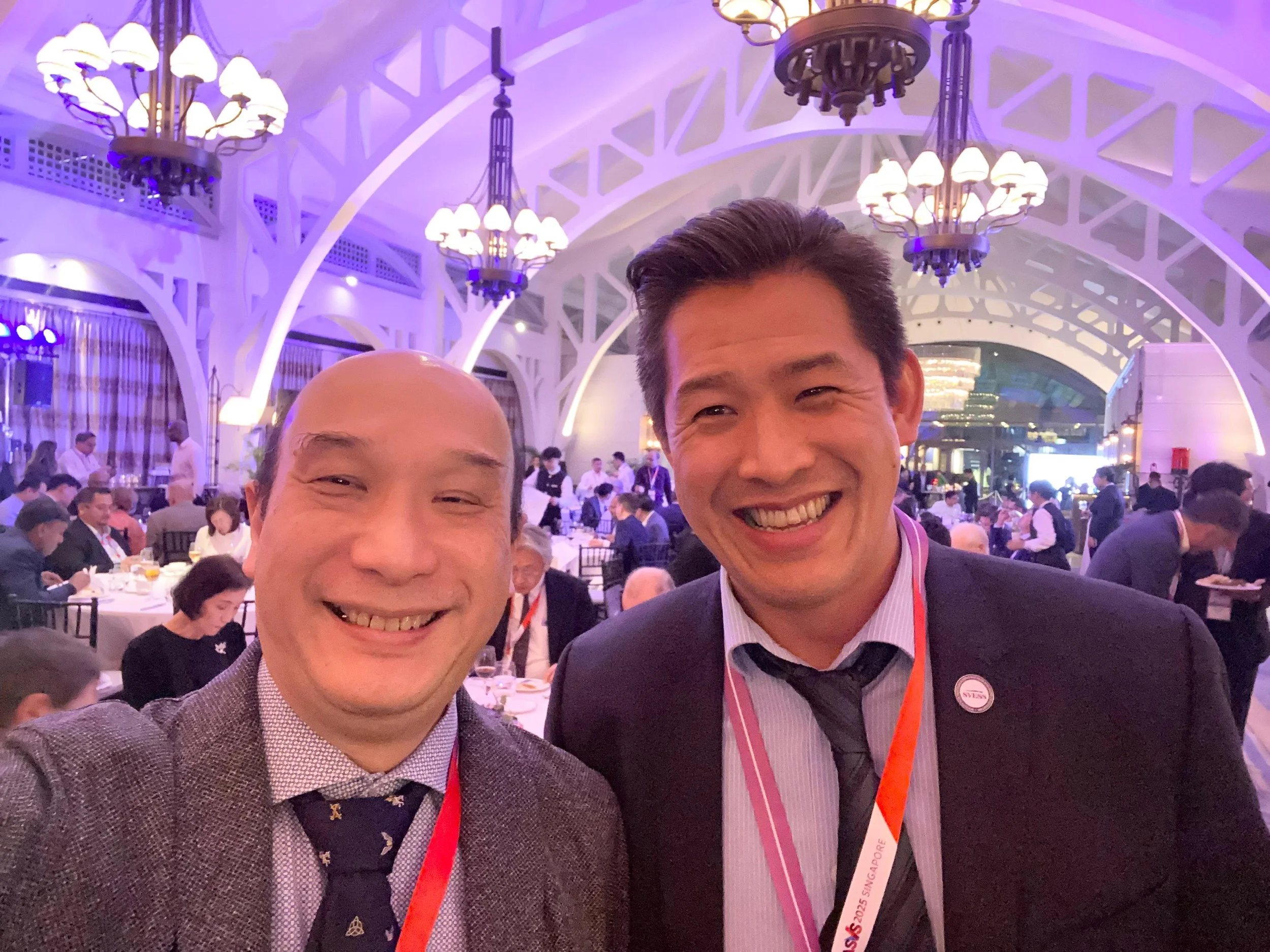
What do these discussions mean for patients?
The message I took from these two talks is that established surgical skills and new technology both need thoughtful application. The aim is to understand the condition, explain the available options and agree a plan suited to the individual.
If you are discussing an aortic aneurysm with your surgeon, useful questions include:
What do my scans show, and how has the aneurysm changed?
Is surveillance appropriate, or is there a reason to consider repair now?
What are the benefits and risks of the options suitable for my anatomy?
What follow-up would I need after treatment?
I am grateful for the opportunity to share my work at ASVS 2025 and learn from colleagues. Continuing education remains part of how I approach vascular care, alongside careful assessment and clear communication with patients.
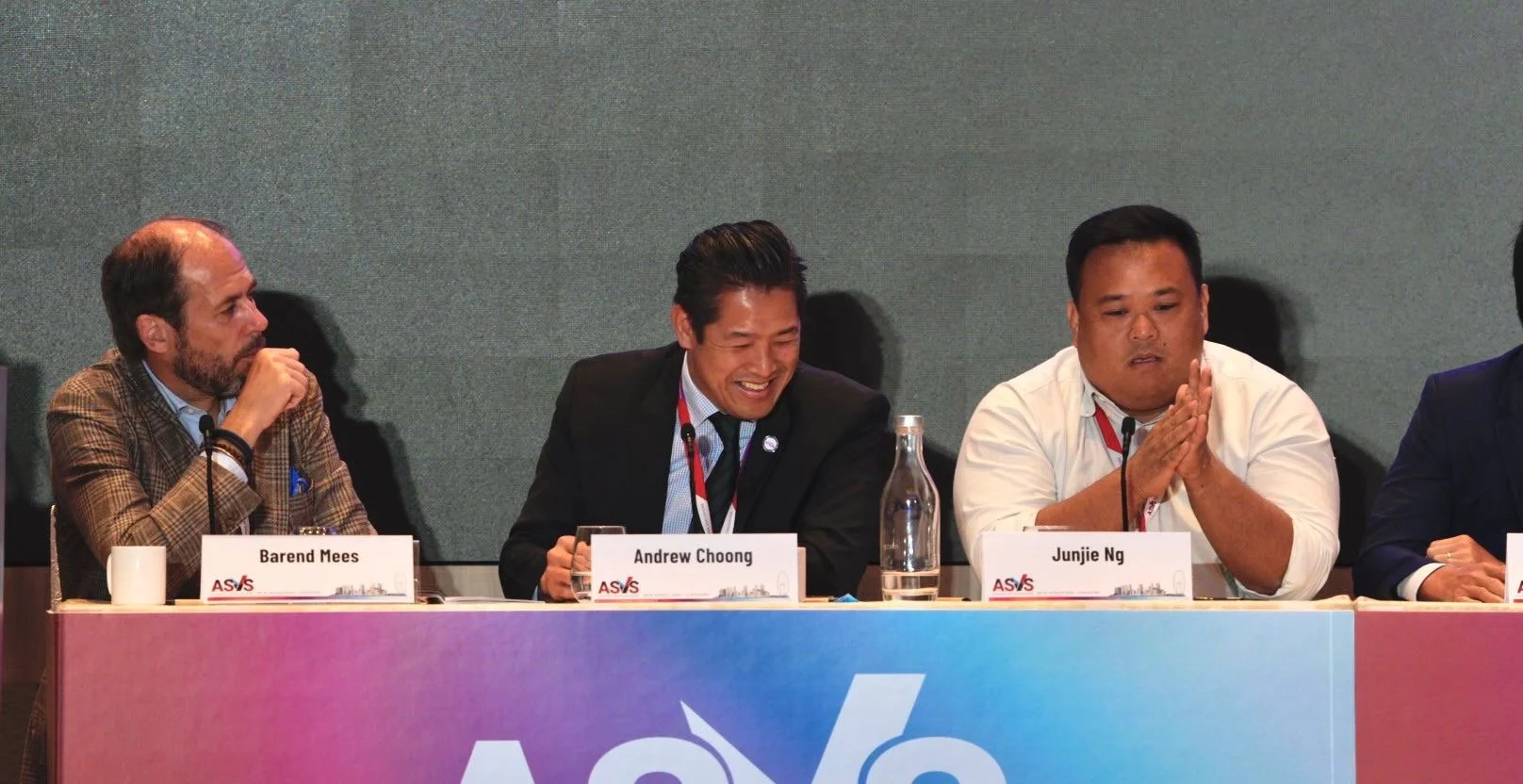
Sharing perspectives with fellow panellists at ASVS 2025 in Singapore.
Vascular assessment in Singapore
For questions about known aortic disease or treatment options, contact Andrew Choong Vascular Surgery at Mount Elizabeth Novena Specialist Centre, #09-22, 38 Irrawaddy Road, Singapore 329563. Previous scan reports and a medication list can help make the consultation more useful.
You can also explore my aortic awareness information and educational channels and updates.
This is a retrospective of a professional meeting and provides general education. Decisions about investigation or treatment require an individual clinical assessment.
Thank You: One Month at Andrew Choong Vascular Surgery
A thank-you from Dr Andrew Choong after the first month of his vascular surgery practice in Singapore, reflecting on the people behind patient care, building the clinic, and plans to share more practical vascular health education.
One month into Andrew Choong Vascular Surgery, I wanted to pause and say thank you. I recorded this message on 1 July, a month after the clinic opened, and the video was published on 2 July.
Starting a specialist practice has involved much more than opening the doors. It has also been a reminder of how many people contribute to caring for each patient. I am grateful to everyone who has supported this first month in Singapore.
Thank you for your trust and support
To the patients who have entrusted me with their care, thank you. Seeking advice about a vascular problem can come with questions and uncertainty, and I appreciate the trust involved in that first consultation and each decision that follows.
Thank you also to the GPs and specialist colleagues who have referred patients, and to the nursing and allied health colleagues whose work supports their care. To my friends and family, your encouragement, messages, flowers and good wishes have meant a great deal.
Building the clinic around patient care
If I have been quieter on social media, this is why. Building a practice from scratch has meant renovating the clinic, recruiting and training the team, and establishing the systems and workflows that help each day run smoothly.
It has also meant introducing technology thoughtfully, with a focus on safe, efficient and patient-centred care. Those foundations are less visible than a video or a clinic sign, but they matter to the experience of the people coming through our doors.
A broad first month of vascular care
The first month has included care across the range of vascular conditions: varicose veins and other venous problems, deep vein thrombosis and pulmonary embolism, peripheral arterial disease, dialysis access, carotid disease, and aortic aneurysms and more complex aortic conditions.
That variety reflects the breadth of vascular surgery. The right approach depends on the person and the condition, with time to discuss what an assessment or treatment involves.
More practical vascular education ahead
As we find our rhythm, I hope to return to sharing educational videos more regularly. I want to address common questions, explain vascular conditions in everyday language, and discuss practical steps that help people understand their health before a problem becomes serious.
You can learn more about my practice and approach, or contact the clinic at Mount Elizabeth Novena Specialist Centre, #09-22, 38 Irrawaddy Road, Singapore 329563.
Thank you again for being part of this first month. I am grateful for your support and look forward to the work ahead.